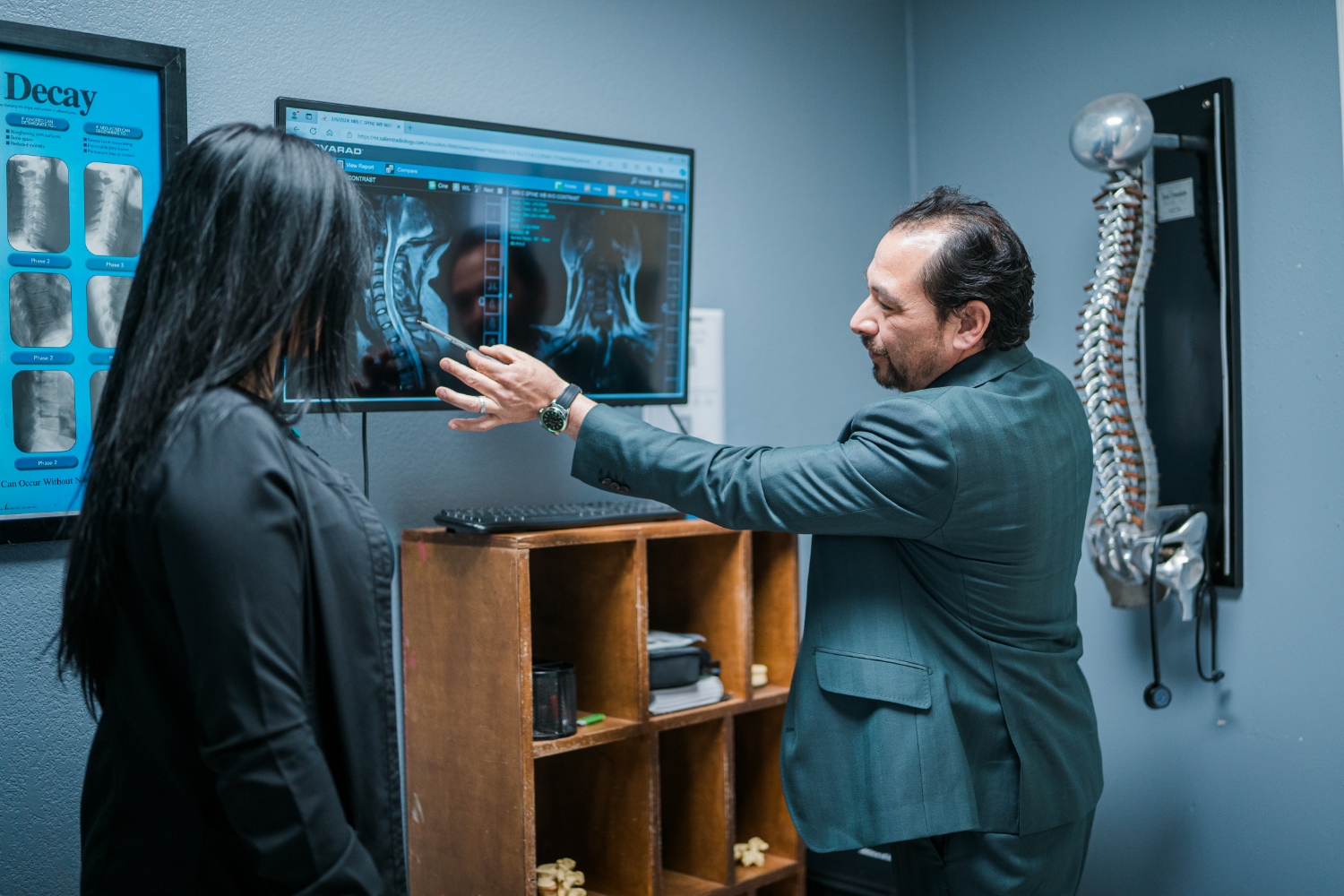
Weight Bearing MRI for you Claim
Weight bearing MRI is beneficial to your case
Weight-Bearing MRI vs. Traditional MRI in Auto Injury Cases: Why It Can Make or Break Your Case
When evaluating injuries after a car accident, most providers default to a traditional MRI. It’s familiar, widely available, and accepted. But here’s the problem: it’s often done with the patient lying down—completely unloaded, in a position that doesn’t reflect real life.
If your goal is accurate diagnosis and a defensible case, that’s a major blind spot.
The Core Issue: Injuries Don’t Show Up the Same Way at Rest
Auto injuries—especially spinal injuries—are dynamic. They involve instability, load-bearing dysfunction, and pain that worsens when the body is upright.
A traditional MRI is performed with the patient lying flat. In that position:
- The spine is decompressed
- Gravity is removed
- Joint stress is minimized
Translation: the very conditions that trigger symptoms are eliminated.
So what happens?
Findings get minimized. Instability gets missed. And injuries that are obvious in daily life look “mild” or even “normal” on imaging.
What Makes Weight-Bearing MRI Different
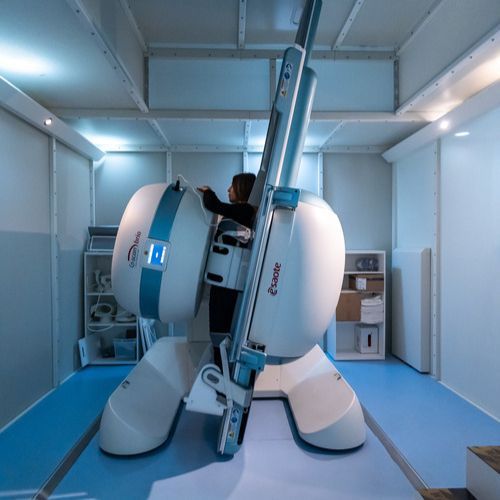
A weight-bearing (upright) MRI captures the spine under real-world conditions—standing or sitting, under the influence of gravity.
This changes everything.
Under load, you can see:
- Disc bulges that worsen with compression
- Ligament laxity and instability
- Foraminal narrowing that isn’t visible supine
- Postural changes and segmental collapse
In other words, you’re imaging the problem—not the absence of it.
Why This Matters for Auto Injury Cases
If you’re treating or documenting a personal injury case, your imaging isn’t just clinical—it’s strategic.
1. Stronger Causation Arguments
Weight-bearing MRI helps connect the mechanism of injury to functional impairment. When pathology worsens under load, it aligns directly with how the injury affects the patient in daily life.
That’s hard to dispute.
2. Objective Evidence of Instability
Instability is one of the most underdiagnosed consequences of auto trauma. Traditional MRI often misses it.
Upright imaging can reveal:
- Segmental shifting
- Loss of normal alignment under load
- Functional collapse not seen at rest
This moves your case from “subjective complaints” to objective dysfunction.
3. Increased Case Value
Let’s be blunt—cases with weak imaging settle lower.
When imaging:
- Clearly demonstrates pathology
- Matches the patient’s symptoms
- Shows worsening under physiologic stress
…it becomes significantly harder for opposing experts to minimize the injury.
4. Better Treatment Planning
This isn’t just about litigation.
If you’re missing load-dependent pathology, your treatment plan is incomplete. Weight-bearing MRI can guide:
- Targeted rehab strategies
- Stabilization protocols
- More appropriate referrals
The Common Pushback (And Why It Falls Apart)
“Traditional MRI is the gold standard.”
It’s a standard—not the complete picture. It’s one data point, taken in an artificial condition.
“There’s no need for upright imaging.”
That’s only true if you believe injuries behave the same under load as they do at rest—which they don’t.
“It won’t change management.”
If your diagnosis changes, your management changes. If your imaging is incomplete, your decisions are too.
The Bottom Line
If you’re evaluating auto injuries and relying solely on traditional MRI, you’re operating with incomplete information.
Weight-bearing MRI:
- Reveals what standard imaging misses
- Aligns findings with real-world symptoms
- Strengthens both clinical decisions and legal positioning
And in personal injury cases, that difference isn’t academic—it’s decisive.
If your goal is to accurately diagnose, properly treat, and fully document injury, you should be asking one question:
Are you imaging the patient… or just their body at rest?